What role does luck play in gambling success at casinos today?
The Nature of Luck in Gambling
Luck is often regarded as a fundamental element in the world of gambling. It represents the unpredictable variables that can heavily influence the outcomes of games played in casinos. Every roll of dice, spin of a wheel, or flip of a card is an exercise in chance, suggesting that while skill and strategy may have their place, luck can often tip the scales dramatically. Players may devise methods to enhance their success, but ultimately, the outcome is often out of their hands.
For many, the concept of luck is intertwined with personal beliefs and experiences. Some might consider themselves “lucky,” often attributing wins to a higher power or random chance. This notion can create a psychological boost, encouraging players to continue gambling in hopes of experiencing more favorable outcomes. Despite the statistical odds stacked against them, those who believe in luck often find a sense of comfort and motivation in the thrill of gambling. Furthermore, lucky symbols or tokens—such as four-leaf clovers or lucky coins—can serve as talismans, reinforcing this belief and providing players with a ritual aspect to their gambling experiences.
The Role of Probability
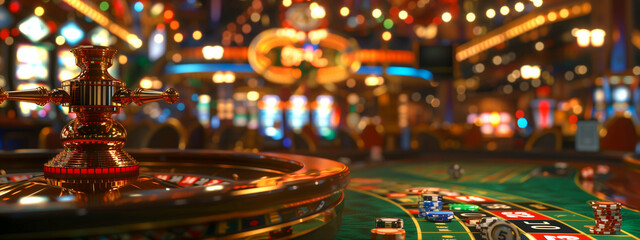
The concept of probability plays a crucial role in understanding the balance between luck and skill in gambling. Each game has its inherent odds, often meticulously calculated by math experts. For example, when playing blackjack or poker, players can utilize strategies informed by these probabilities, such as knowing when to hold or fold. Yet, luck still plays a crucial role, particularly in how the cards or game elements unfold in real-time.
Ultimately, even skilled players must recognize that the cards they receive or the outcomes of spins cannot be predicted with certainty. While they can make decisions based on likelihood, the randomness induced by luck ensures that outcomes remain unpredictable. This uncertainty is part of what makes games exciting, as players are always at the mercy of chance, regardless of their skill level. Understanding this dynamic can lead players to cultivate humility in their approach; no matter how experienced a player may be, luck can alter the course of the game in an instant.
The Emotional Side of Luck
Emotions play a significant role when it comes to how people perceive luck in gambling. Winning creates excitement and happiness, reinforcing the belief in one’s luck. On the other hand, losing can lead to frustration and a quest for “lucky charms” or rituals designed to sway the odds in one’s favor. This emotional rollercoaster can heavily impact a player’s decisions, encouraging them to continue playing even when statistics suggest they should stop.

Gamblers may also engage in pattern recognition, convinced that they can identify “lucky streaks” or “hot tables.” This can lead to cognitive biases, such as the gambler’s fallacy, where one believes they can predict future outcomes based on past results. Such beliefs exemplify how luck can manipulate the emotional state and decision-making processes of players within casinos. The highs and lows associated with gambling reinforce the emotional connections players develop with their outcomes, often leading to deeper psychological effects over time.
The Casino Perspective on Luck
From the casino’s perspective, luck is a crucial element of their business model. While they utilize complex algorithms to set the odds in their favor, they also understand that luck is an integral part of attracting players. Casinos often celebrate winners and promote stories of lucky individuals as a way to enhance their reputation as places of chance and fortune.
Additionally, casinos employ various marketing strategies that capitalize on the idea of luck. Promotions that highlight massive jackpot wins create a sense of hope among players, encouraging them to try their luck with the potential for life-changing windfalls. This synergy between luck and marketing creates an environment where players feel inclined to take part, despite the odds of winning not necessarily being in their favor. Furthermore, the layout and design of casinos often evoke feelings of excitement and anticipation, calling attention to areas where luck is perceived to be in play, thus further enhancing the gambling experience.
Conclusion: The Intersection of Luck and Strategy
The intricate dance between luck and strategy underscores the continual allure of gambling in casinos today. While determined strategies can improve one’s odds in games that allow skill and decision-making, the essential element of luck remains a powerful force. Whether it involves the roll of the dice or the draw of a card, players recognize that luck often plays a pivotal role in their success.
For those looking to understand this interplay further, exploring reputable resources can provide valuable insights into gambling dynamics. You can learn more about the fascinating relationship between luck, strategy, and outcomes in the world of casinos. This understanding not only enhances players’ experiences but also encourages responsible gaming practices that acknowledge the unpredictable nature of luck.